May 21, 2026
Outdoor living spaces have evolved significantly over the decades, transitioning from simple concrete pads to elaborate multi-level extensions of the home. Despite the influx of synthetic materials and stone patios, natural wood remains the gold standard for homeowners seeking warmth, beauty, and value. By choosing a material that harmonizes with the environment, you create a sanctuary that stands the test of time and enhances your lifestyle.
Appreciating the Natural Aesthetic Beauty
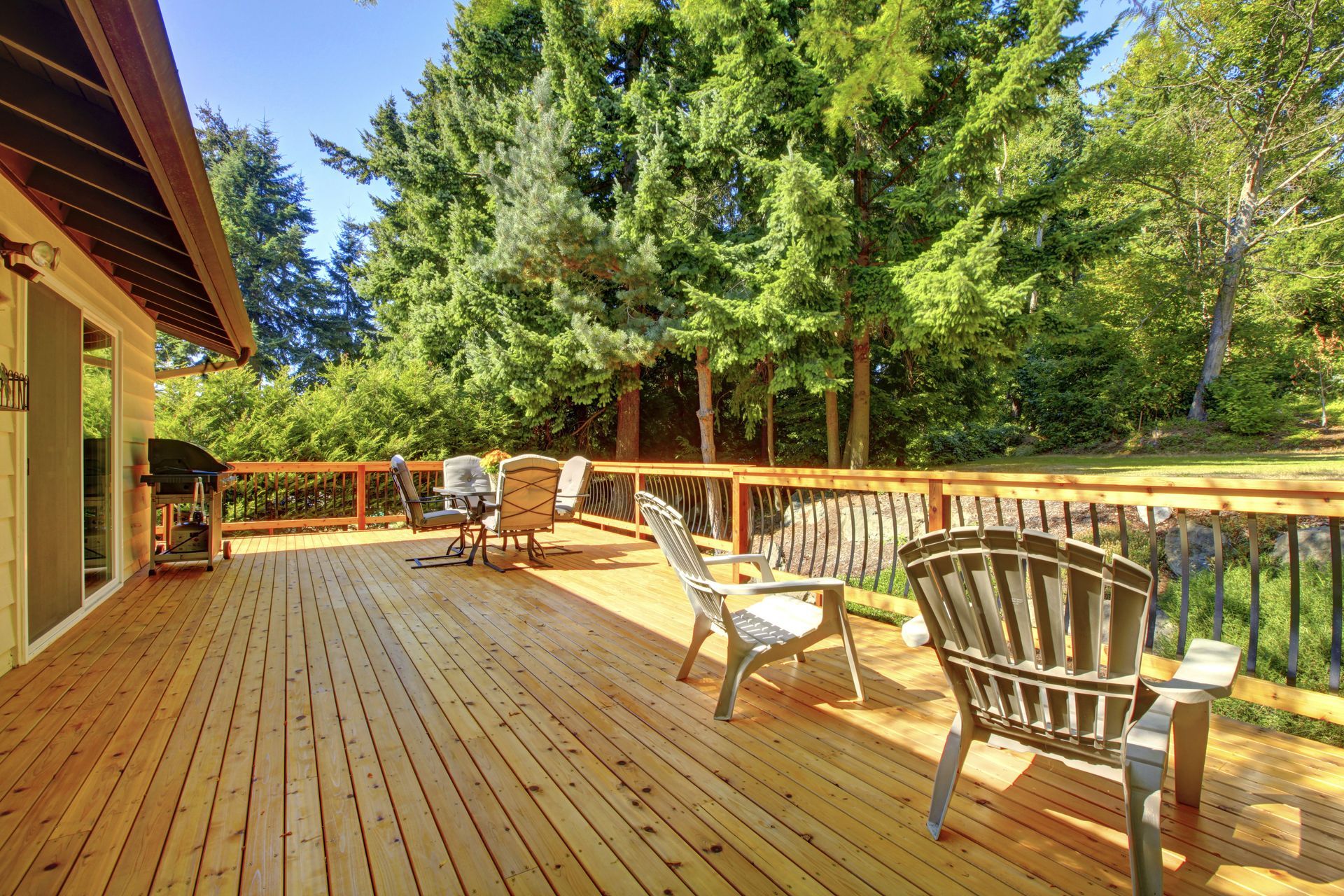
The primary draw of a wood deck is its unparalleled organic appearance, which synthetic alternatives strive to mimic but rarely fully capture. Each plank of cedar, redwood, or pressure-treated pine features unique grain patterns and knots that tell a story of natural growth, providing a visual texture that feels grounded and authentic. Unlike plastic composites that can look sterile or repetitive, wood ages with grace, developing a character that complements the surrounding landscape rather than clashing with it. This aesthetic versatility allows a wood deck to feel just as appropriate on a rustic cabin as it does on a sleek, modern suburban home.
Furthermore, the sensory experience of natural wood is something that many homeowners prioritize. There is a specific tactile warmth to wood underfoot that remains comfortable even as the sun beats down, whereas many darker composite materials can become uncomfortably hot. For those who enjoy walking barefoot through their outdoor oasis, the physical properties of timber are hard to beat. When you work with professional deck builders, they can help you select a grade of wood that highlights these natural features while ensuring the structural layout maximizes the visual impact of the grain.
Maximizing the Financial Return on Investment
Beyond the immediate enjoyment of a beautiful outdoor space, a wood deck is one of the most sound financial decisions a homeowner can make. Adding usable square footage to a property consistently drives up its market value, but wood specifically offers a financial advantage that other home improvements lack. According to Realtor.com, a wood deck delivers a 95% return on investment. This remarkably high percentage makes it one of the most cost-effective renovations available, often outpacing kitchen remodels or bathroom upgrades in terms of pure value retention.
Potential buyers are often specifically looking for a move-in-ready outdoor entertainment area, and the classic appeal of wood resonates with a broad demographic. Because the initial material costs for wood are typically lower than those for high-end composites or stone masonry, the gap between the project cost and the added home value is much narrower. This makes it an attractive option for homeowners who want to enjoy their backyard today while keeping a keen eye on their future equity. Consult with local deck builders to understand which wood species are currently most popular in your specific real estate market to ensure you maximize this potential.
Customizing with Stains and Finishes
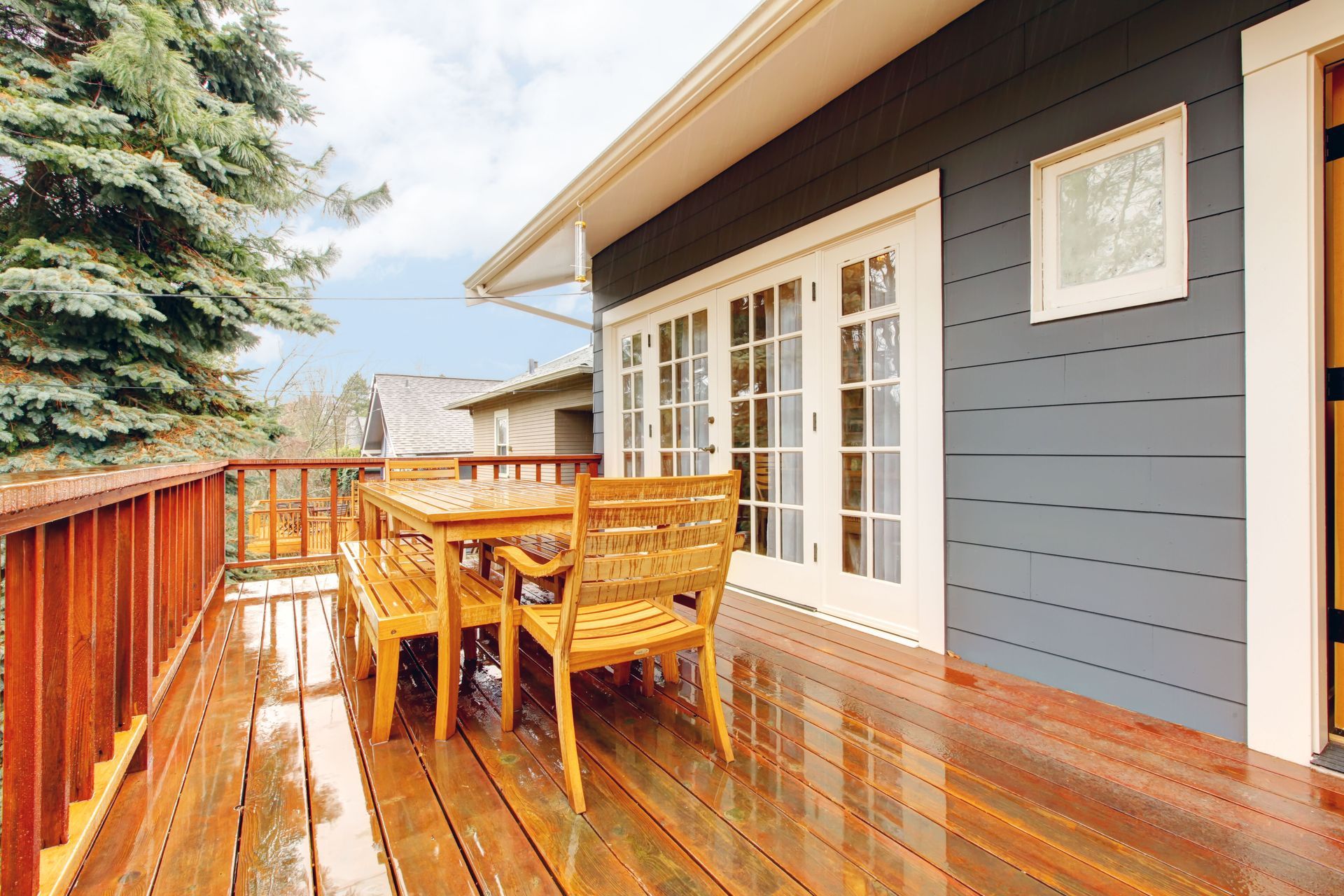
One of the greatest functional advantages of wood is its ability to be completely transformed with a simple application of stain or paint. While composite decking locks you into a single color for the duration of the product's life, wood offers a blank canvas that can evolve with your changing tastes. If you decide to change your home’s exterior color palette ten years down the line, you can simply sand down your deck and apply a new hue that matches the updated look. This flexibility ensures that your outdoor space never feels dated or out of sync with current design trends.
Modern stains do more than just provide color; they are advanced formulations designed to protect the wood from UV rays, moisture, and fungal growth. You can choose from transparent stains that highlight the natural grain, semi-transparent options that add a hint of tint, or solid stains that provide a bold, uniform color similar to paint. This level of customization is a major reason why deck builders continue to recommend wood for clients who want a truly bespoke outdoor living area. The ability to refresh the deck’s appearance every few years also allows you to address minor surface wear, keeping the structure looking brand new for decades.
Selecting Sustainable and Renewable Materials
In an era where environmental consciousness is more important than ever, wood stands out as a renewable resource. Most lumber used for decking in North America is harvested from sustainably managed forests where new trees are planted at a rate that exceeds the harvest. Unlike the petroleum-based products used in many synthetic decking brands, wood captures carbon throughout its lifecycle, making it a much greener choice for the eco-minded consumer. When a wood deck eventually reaches the end of its multi-decade lifespan, the material is biodegradable, whereas plastic-based composites can linger in landfills indefinitely.
Choosing locally sourced lumber also reduces the carbon footprint associated with transportation. Many deck builders have established relationships with local mills, ensuring that the timber used in your project hasn't traveled thousands of miles to reach your backyard. This support of local forestry not only helps the environment but also bolsters the regional economy. By opting for a natural product, you are participating in a circular economy that prioritizes the health of the planet while providing a high-quality building material for your home.
Ensuring Long-Term Structural Integrity
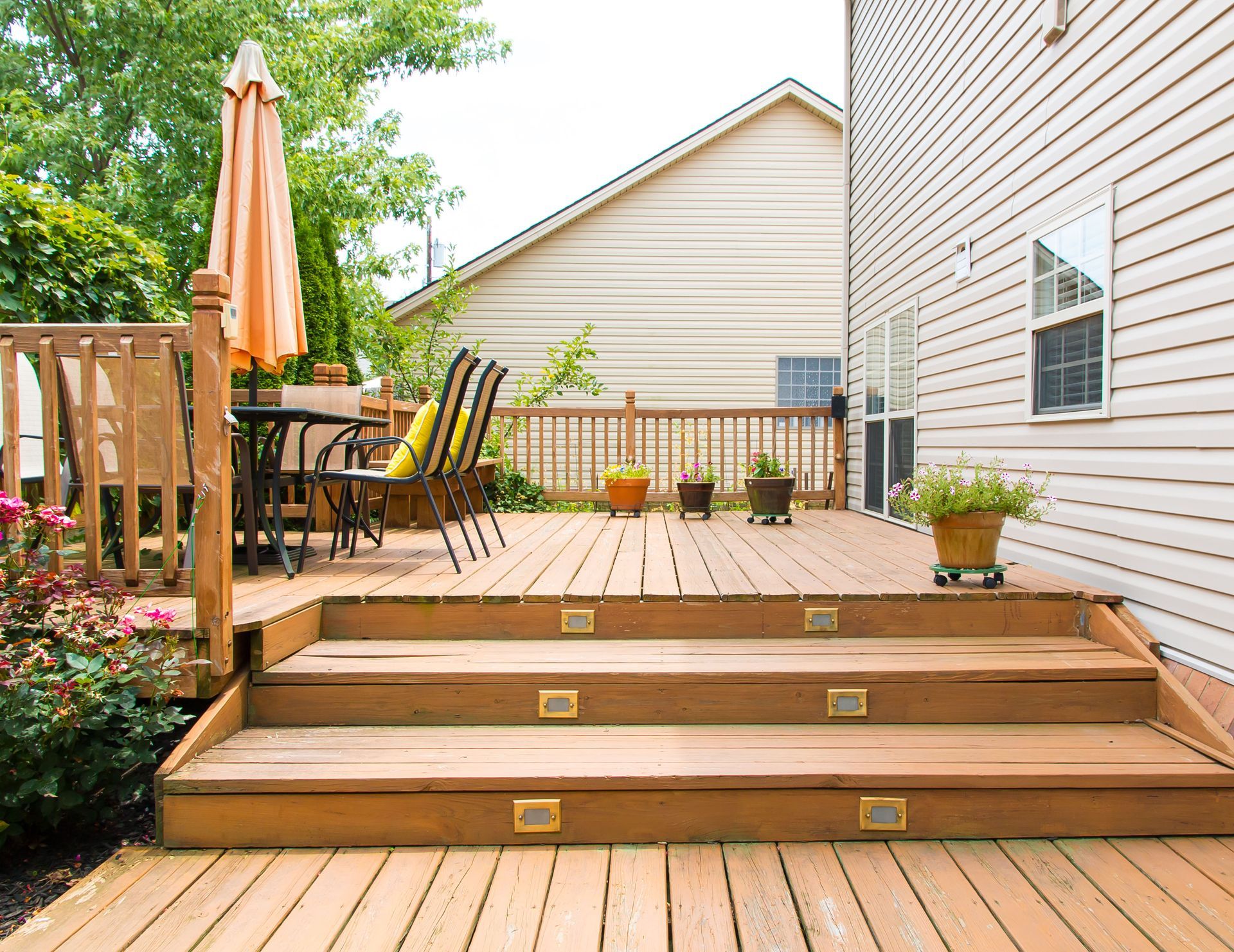
The structural properties of wood are well-understood by engineers and builders alike, offering a level of reliability that has been proven over centuries. Wood has an excellent strength-to-weight ratio, allowing for the construction of complex, multi-level designs that can support significant weight, such as heavy planters, hot tubs, or outdoor kitchens. When properly treated and maintained, the frame of a wood deck remains incredibly stable, resisting the warping or sagging that can sometimes plague poorly installed synthetic systems. This predictability makes it the preferred choice for deck builders who prioritize safety and longevity in their craftsmanship.
Proper maintenance is the key to preserving this integrity, and modern pressure-treating processes have made wood more resilient than ever against rot and insect damage. Basic tasks like annual cleaning and occasional resealing are small investments of time that yield massive dividends in the life of the deck. Because wood is a familiar material, repairs are also much simpler and more cost-effective; if a single plank is damaged by a heavy dropped object, it can be easily replaced without having to dismantle large sections of the deck.
Integrating Seamlessly with Landscape Design
A wood deck acts as a bridge between the structured interior of the home and the wilder elements of the garden or yard. Because wood is a product of nature, it blends effortlessly with trees, shrubs, and stone features, creating a cohesive outdoor environment. Designers often use wood to "soften" the transition from a brick or siding house to the lawn, using the natural tones of the timber to mirror the colors found in the foliage. This harmony is difficult to achieve with man-made materials that often have a sheen or texture that looks out of place in a garden setting.
Understanding the lasting appeal of wood decking reveals why it remains a preferred choice for homeowners year after year. By balancing natural beauty with high financial returns and environmental sustainability, wood offers a complete package that synthetic materials simply cannot match. Investing in a wood deck is more than just a home improvement project; it is a commitment to a timeless aesthetic that will serve your family for a lifetime. If you are looking for reliable deck builders, contact Mt Nebo Enterprises LLC to learn more and get started today!